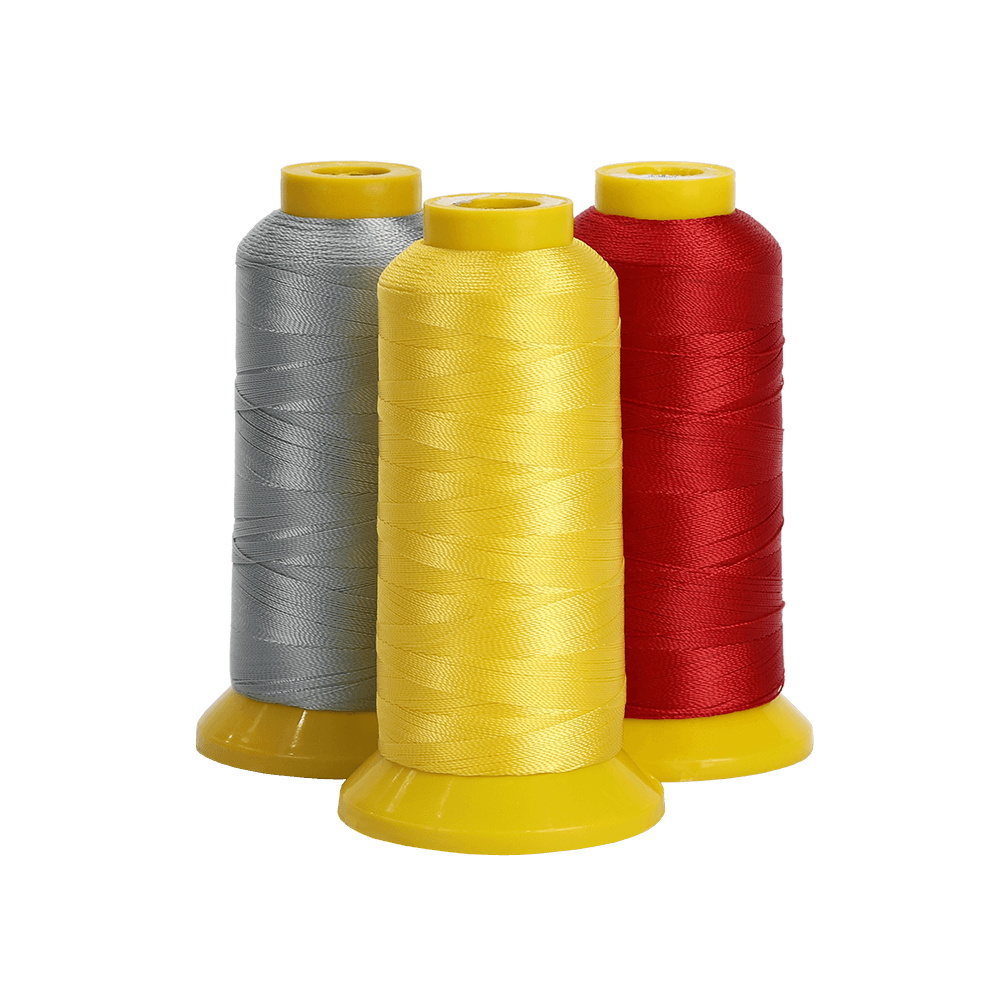
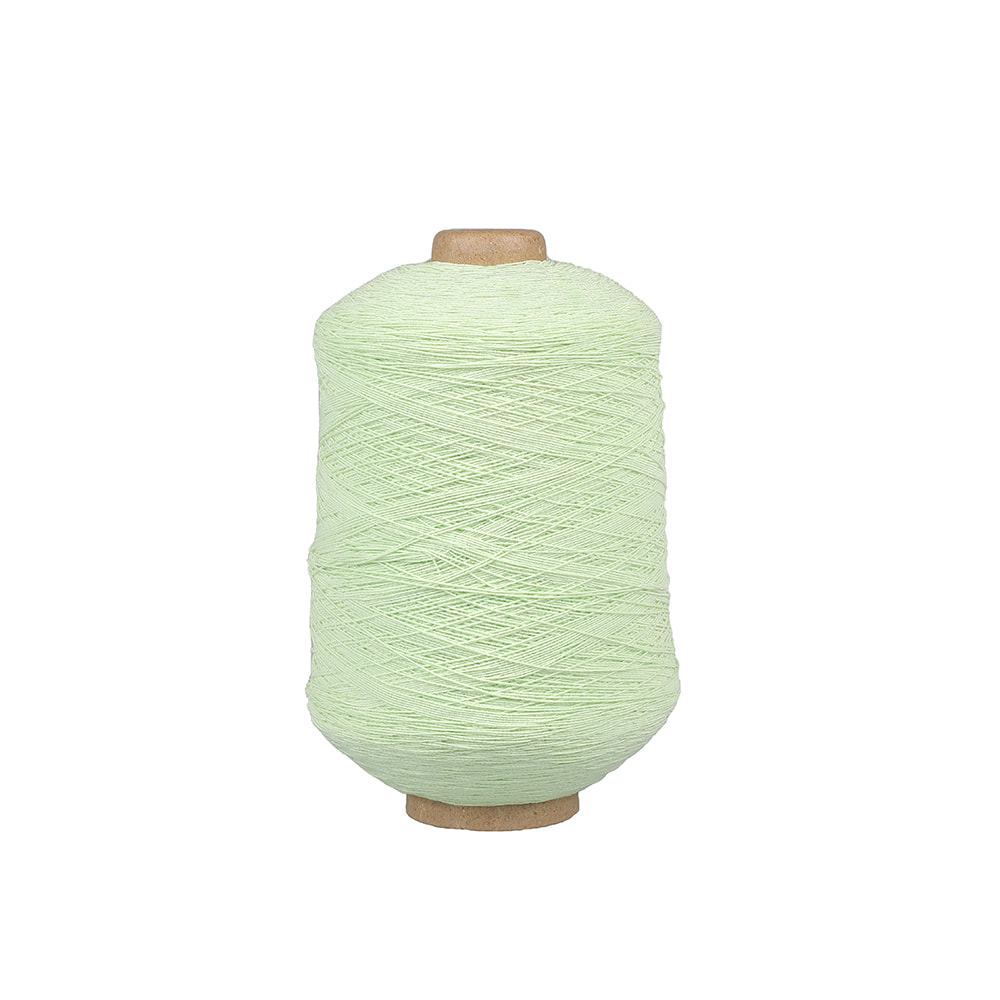
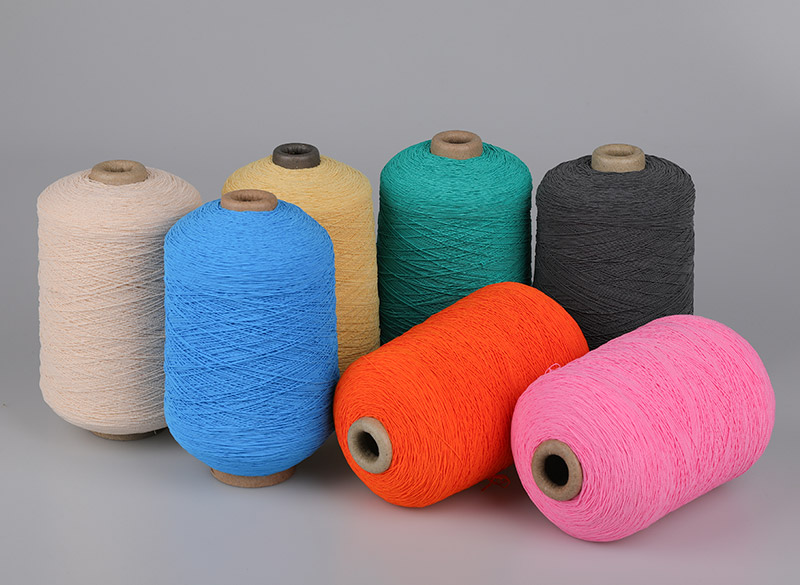
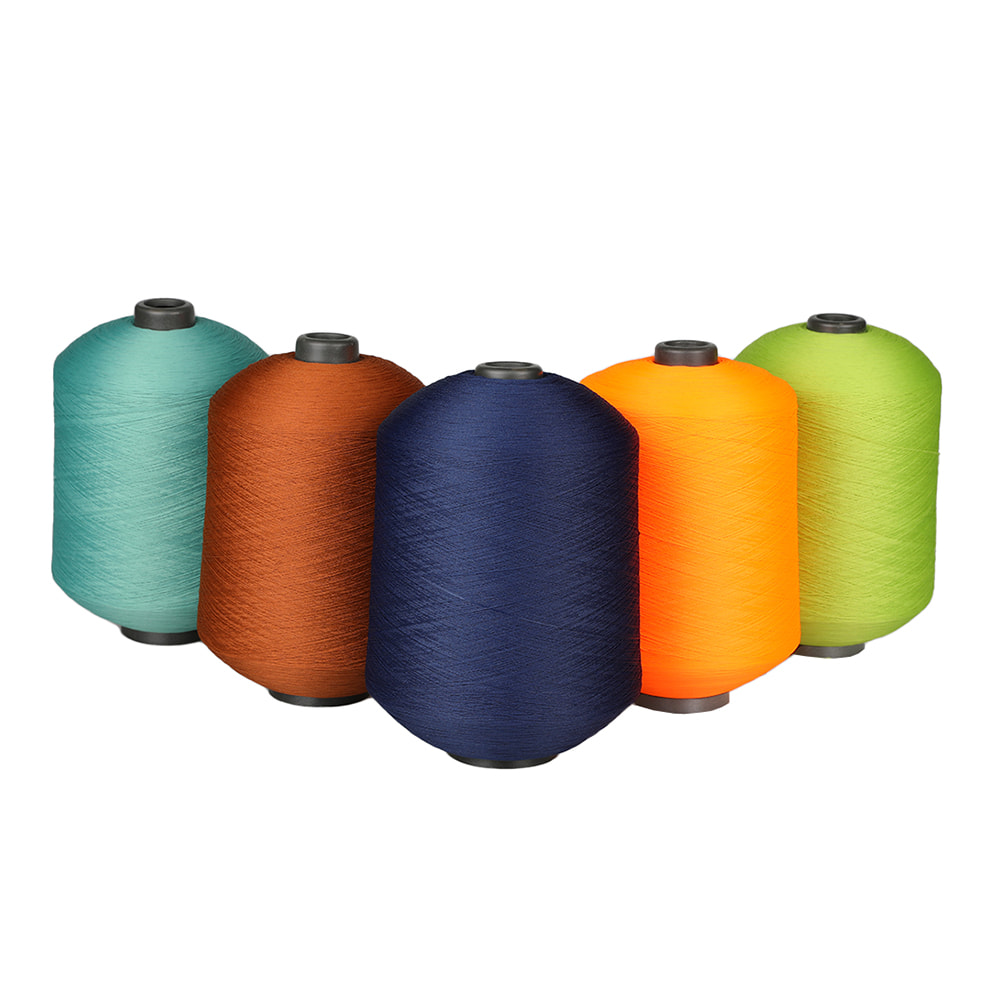
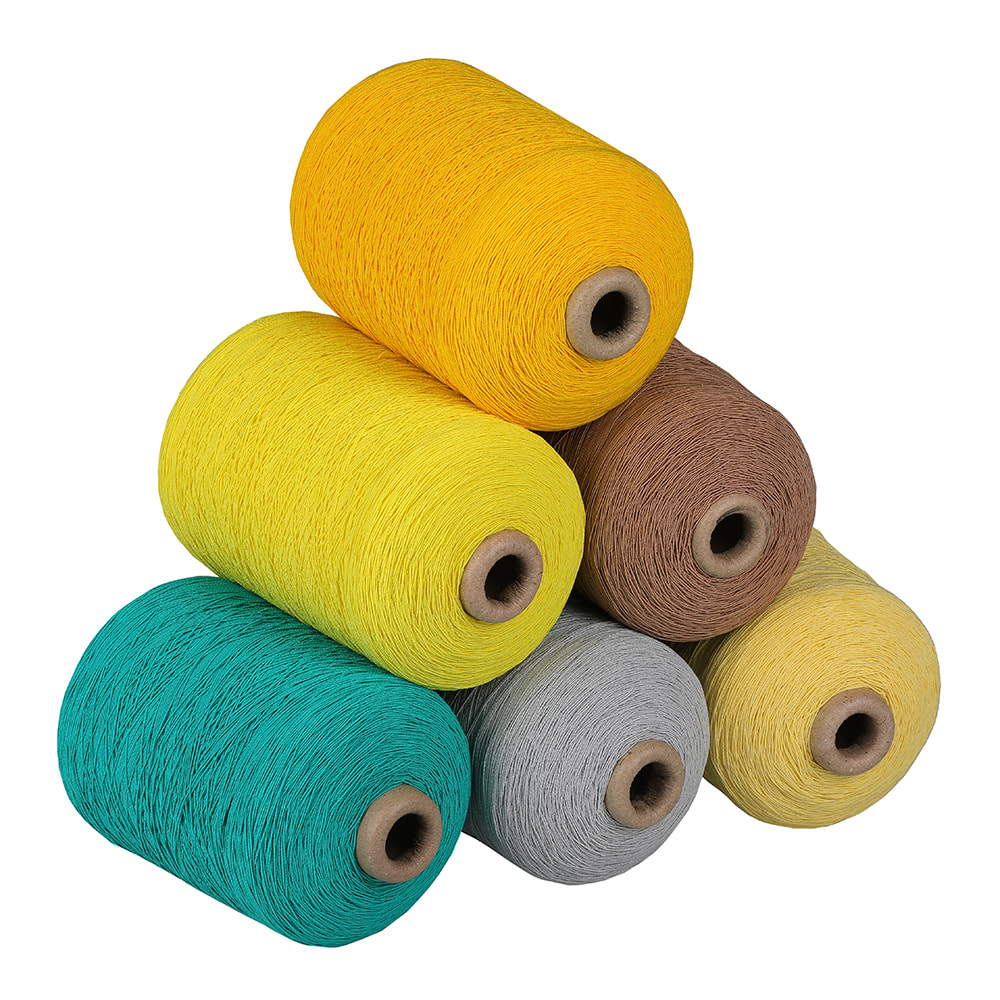
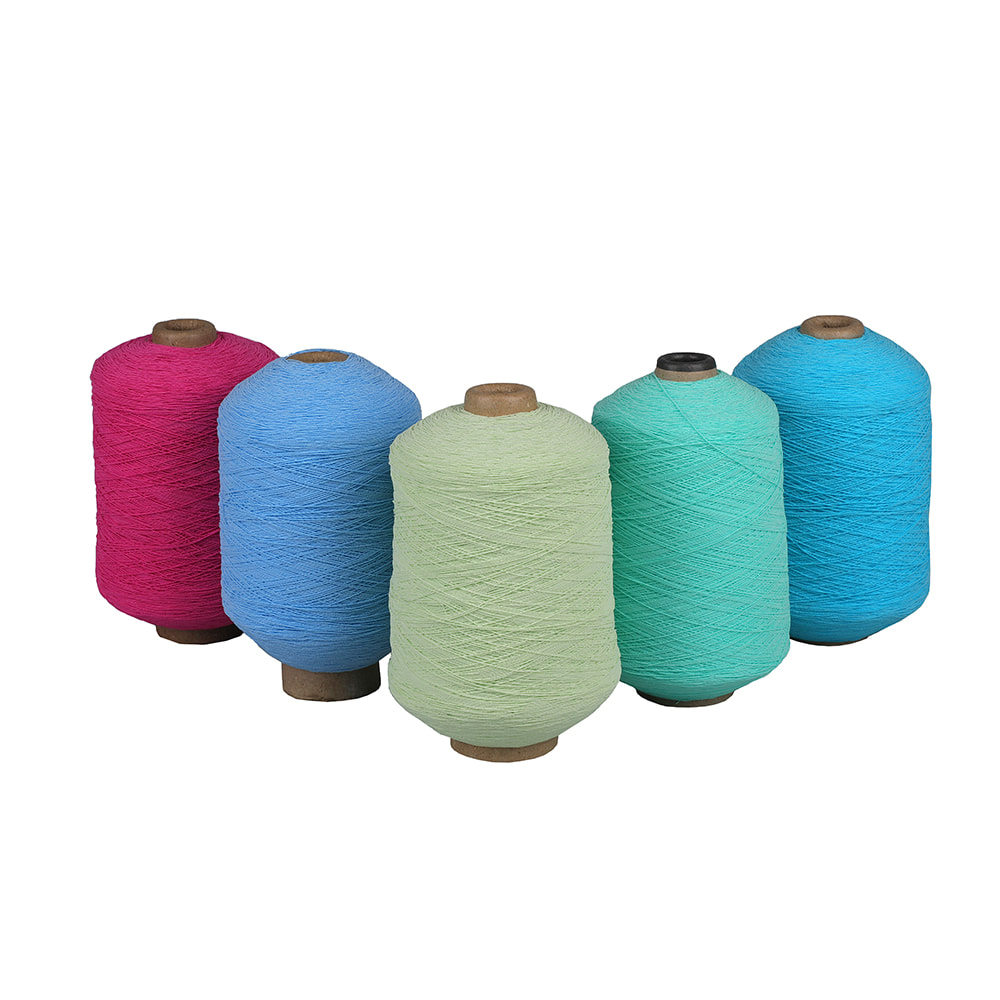
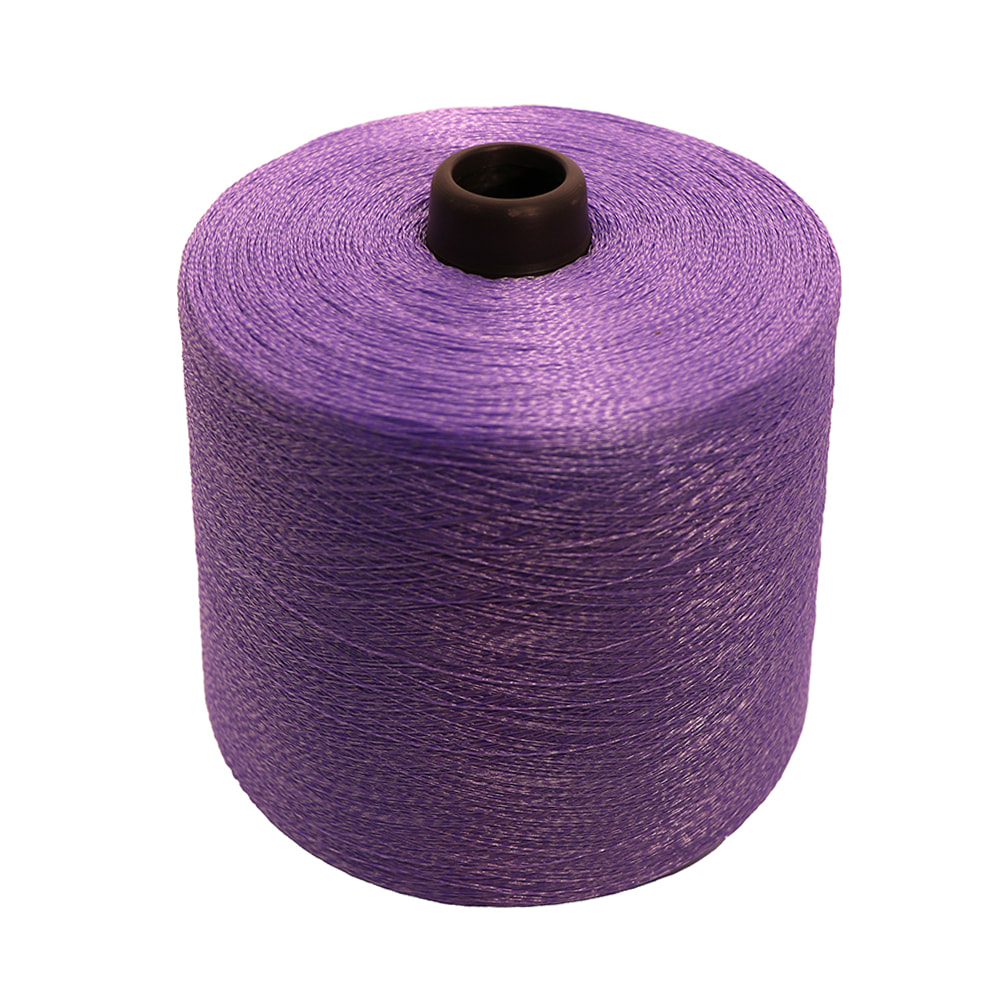
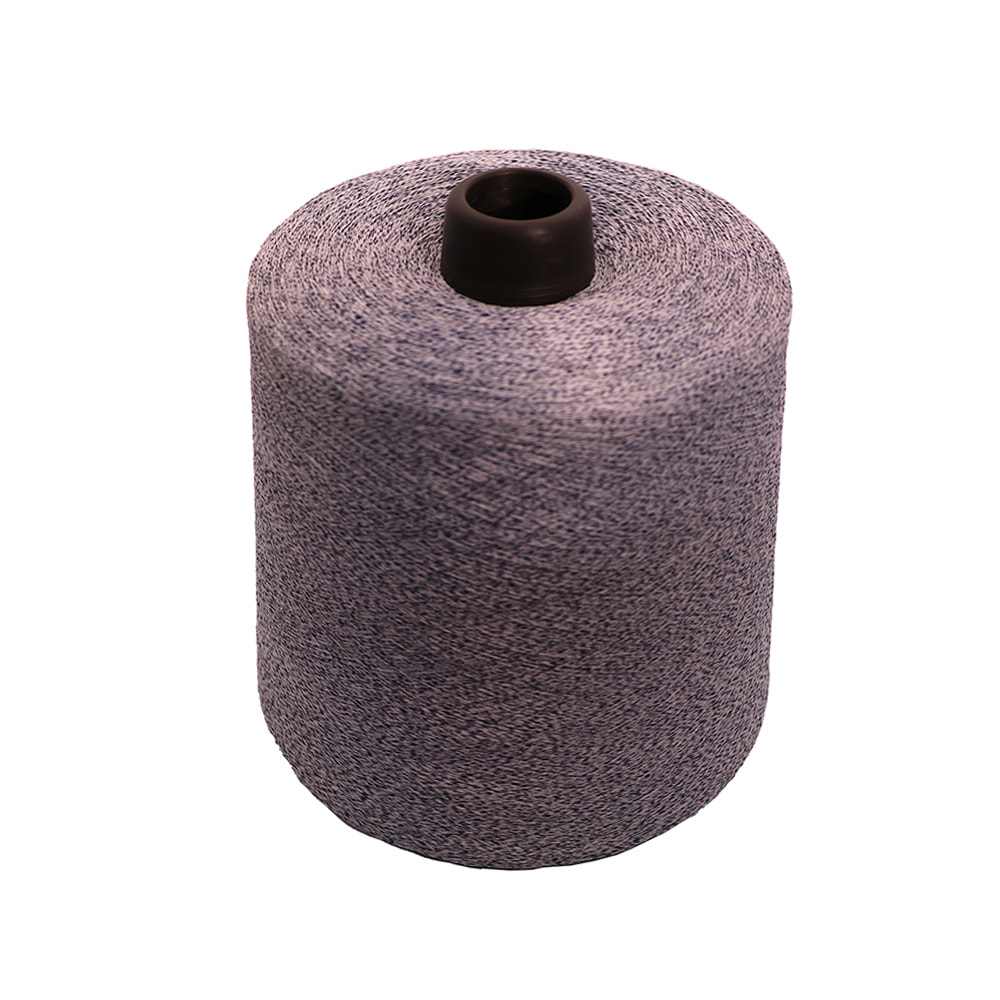
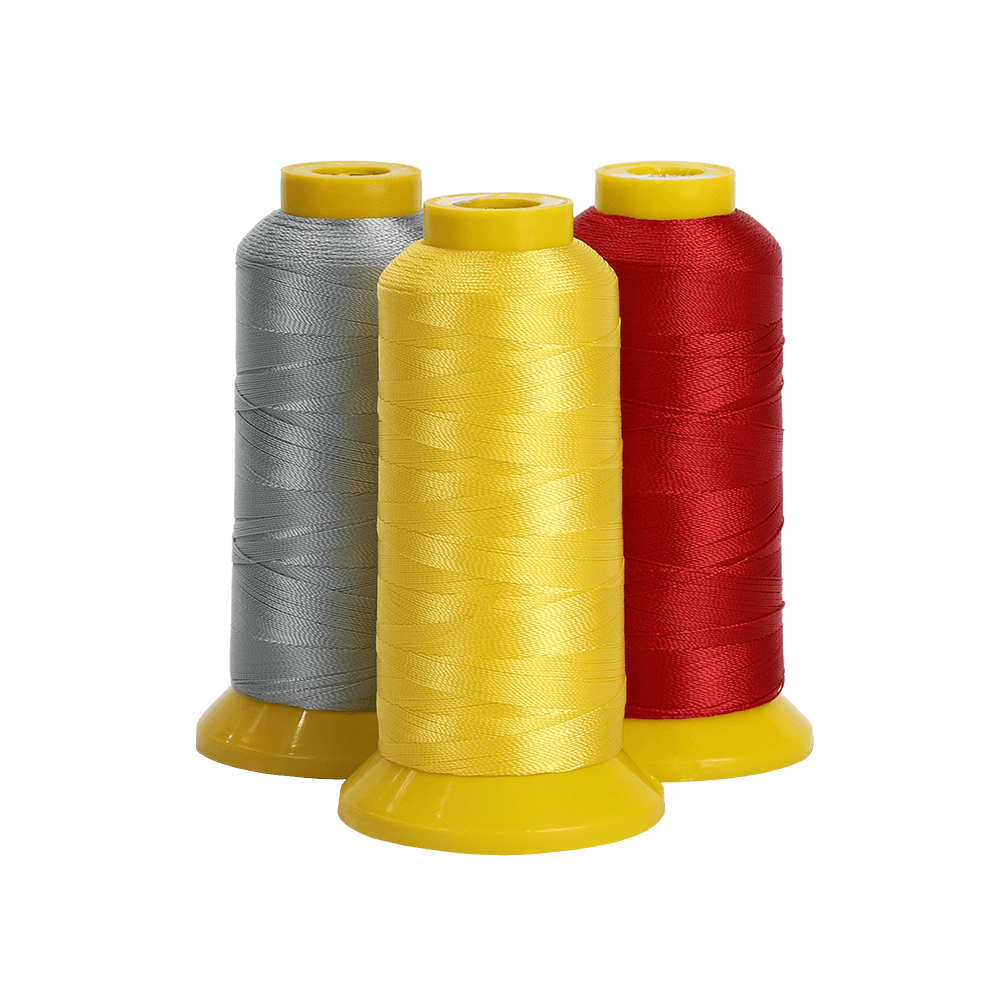
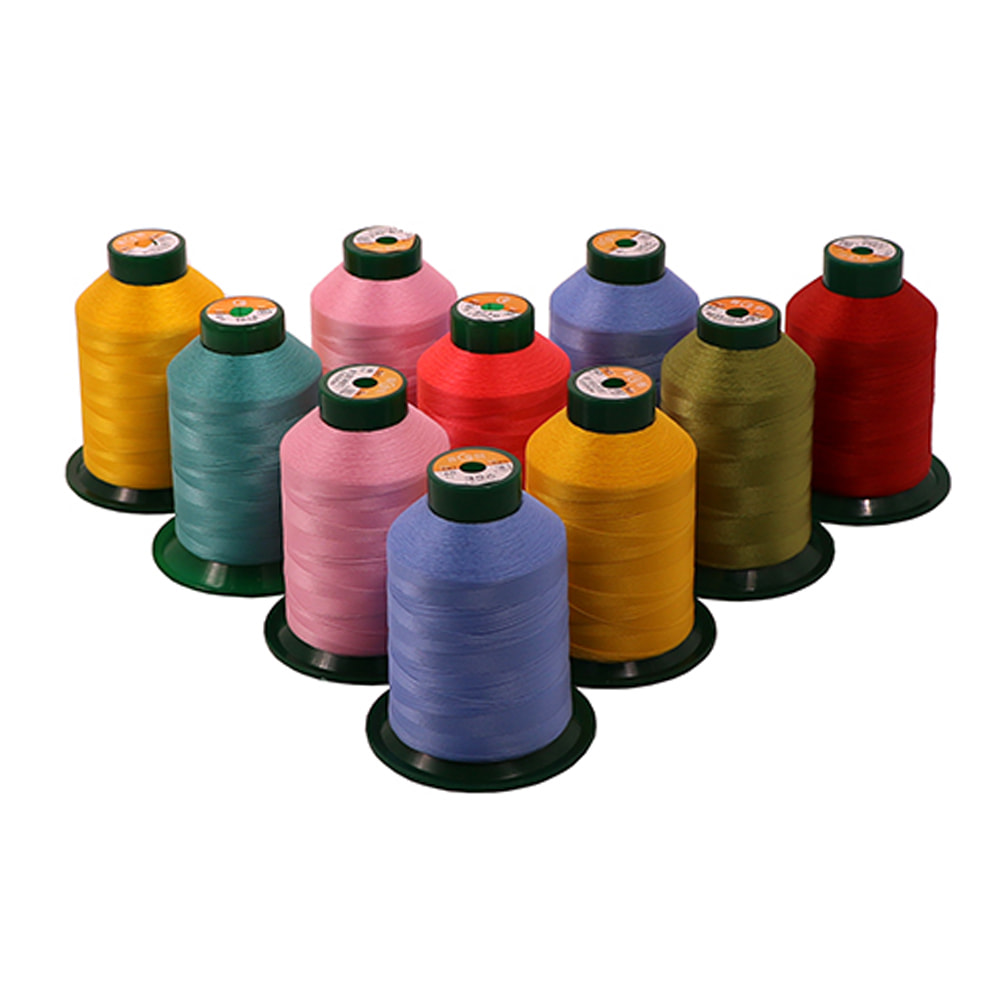
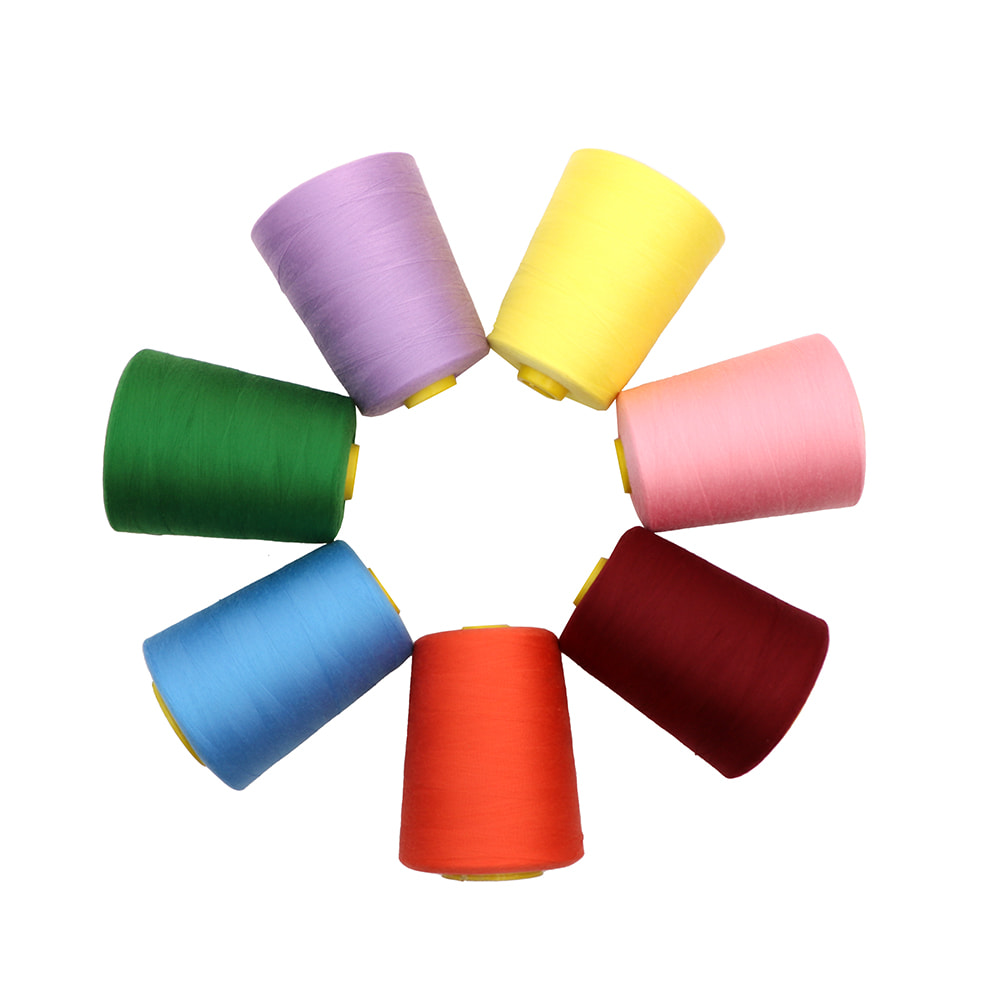
Polyesterilanka on synteettinen filamenttilanka tai katkokuitulanka, joka on valmistettu ensisijaisesti polyeteenitereftalaattihartsista ja muodostaa yhden laajimmin käytetyistä lankakategorioista tekstiilien valmistuksessa, teollisessa käsittelyssä ja teknisten kuitujen sovelluksissa. Polyesterilangalla on kudottujen, neulottujen ja kuitukankaiden tuotantojärjestelmien ydinsyöttömateriaalina rakenteellinen rooli vaatteiden valmistuksessa, kodintekstiilien tuotannossa, teollisuuden kangasjärjestelmissä ja teknisessä kuitutekniikassa. Tässä artikkelissa hahmotellaan polyesterilangan tekninen koostumus, sen valmistusmekanismi, suorituskykyvaatimukset, sen käyttöskenaariot eri teollisissa järjestelmissä sekä kehityssuunnat, jotka muokkaavat tämän materiaaliluokan hankinta- ja tuotantopäätöksiä. Vetolujuuden, mittapysyvyyden ja prosessoinnin monipuolisuuden yhdistelmän vuoksi polyesterilankaa arvioidaan usein muiden synteettisten ja luonnonkuitulankojen rinnalla tekstiili- ja teollisuustuotekehityksen materiaalinvalintavaiheissa, ja lopullisen valinnan määräävät kohdesovelluksen erityiset mekaaniset, lämpö- ja esteettiset vaatimukset.
Määritelmä ja tekninen koostumus
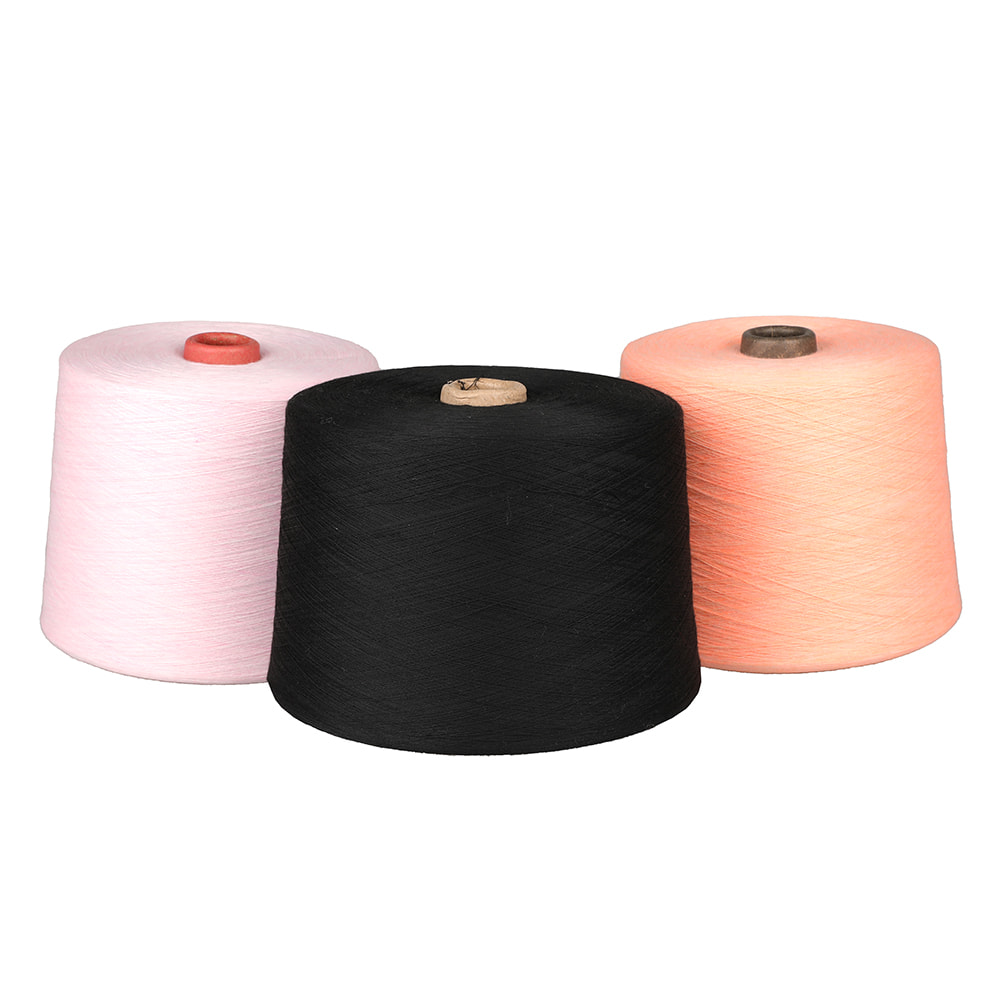
Polyesterilangalla tarkoitetaan lankaa, joka on valmistettu polyesterikuidusta, synteettisestä polymeerikuidusta, joka on johdettu petrokemian raaka-aineista polykondensaatioreaktion kautta. Suurimmassa osassa kaupallisesta polyesterilangan tuotannosta käytetty peruspolymeeri on polyeteenitereftalaatti, joka on muodostettu esteröimällä tai transesteröimällä tereftaalihappoa tai dimetyylitereftalaattia etyleeniglykolilla, mitä seuraa polykondensaatio tyhjiössä ja korotetussa lämpötilassa. Tuloksena saadut polymeerilastut kuivataan, sulatetaan ja ekstrudoidaan jatkuviksi filamenteiksi, jotka sitten prosessoidaan langaksi vedon, teksturoinnin ja kiertämisen avulla riippuen aiotusta langan rakenteesta.
Hankinnan yhteydessä usein kysytty tekninen kysymys koskee sitä, mistä polyesterilangasta molekyylitasolla on tehty. Kemiallisesti polyesterilanka koostuu pitkäketjuisista polymeerimolekyyleistä, joissa on toistuvia esterisidoksia, jotka muodostuvat tereftaalihappojohdannaisten ja etyleeniglykolin välille. Tämä polymeerirunko antaa kuidulle sen tyypillisen termoplastisen käyttäytymisen, mittapysyvyyden ja biologisen hajoamisen kestävyyden erottaen sen luonnollisista selluloosa- tai proteiinipohjaisista kuiduista, kuten puuvillasta tai villasta. Koska polymeeri on kestomuovi, se voidaan sulattaa ja puristaa uudelleen, mikä on kierrätetyn polyesterilangan valmistuksessa hyödynnettävä keskeinen ominaisuus.
Polyesterilanka luokitellaan tyypillisesti kahteen ensisijaiseen rakenneluokkaan. Filamenttilanka koostuu jatkuvista säikeistä, jotka suulakepuristetaan suoraan sulakehruuprosessista, jolloin saadaan sileä, tasainen langan pinta, jota käytetään yleisesti kudotuissa kankaissa, ompelulangoissa ja teknisissä tekstiilivahvikkeissa. Niittolankaa sitä vastoin valmistetaan leikkaamalla jatkuva filamenttitouvi lyhyemmiksi kuitupituuksiksi, jotka sitten karstataan, vedetään ja kehrätään käyttämällä rengaskehruuta, avoimen pään kehruua tai ilmasuihkukehruuta, joka jäljittelee luonnonkuitulankojen kahvaa ja rakennetta. Näissä kahdessa luokassa on teksturointimenetelmään perustuvia lisäalajakoja, mukaan lukien litteä lanka, teksturoitu lanka, joka on tuotettu väärällä kierrekuviointilla, ja ilmakuvioitu lanka, joka on valmistettu turbulenttisella ilmakietoutumisella.
Valmistusprosessi ja toimintaperiaate
Polyesterilangan tuotantomekanismi alkaa polymeerisynteesillä ja etenee useiden peräkkäisten mekaanisten ja lämpökäsittelyvaiheiden kautta, joista jokainen määrittelee langan erityiset ominaisuudet, jotka ovat merkityksellisiä loppupään tekstiili- ja teollisissa sovelluksissa.
Polymerointi ja lastun valmistus
Valmistusjakso alkaa polymerointireaktiolla, joka tuottaa polyeteenitereftalaattihartsia. Tereftaalihappo tai dimetyylitereftalaatti saatetaan reagoimaan etyleeniglykolin kanssa säädetyssä lämpötilassa ja katalyyttisissa olosuhteissa esipolymeerin muodostamiseksi, joka sitten tapahtuu polykondensaatiolla tyhjiössä molekyylipainon rakentamiseksi tavoitearvoiseen rajaviskositeettiin lankalaatuiselle polymeerille. Sula polymeeri ekstrudoidaan, jäähdytetään ja leikataan lastumuotoon tai jatkuvassa polymerointijärjestelmissä syötetään suoraan kehruuprosessiin ilman välivaiheen lastunmuodostusta. Rajaviskositeetti ja molekyylipainojakauma tässä vaiheessa vaikuttavat suoraan loppupään kehruukäyttäytymiseen, sitkeyteen ja valmiin langan venymisominaisuuksiin.
Sulan kehruu
Polymeerilastut kuivataan jäännöskosteuden poistamiseksi, koska sulakäsittelyn aikana tapahtuva hydrolyyttinen hajoaminen vähentää molekyylipainoa ja mekaanista suorituskykyä. Kuivatut lastut sulatetaan suulakepuristimessa ja annostellaan kehruupumpun kautta kehruuputkeen, metallilevyyn, jossa on tarkkuusporattuja reikiä, joiden läpi sula polymeeri ekstrudoidaan jatkuvina filamentteina. Filamenttien lukumäärä, poikkileikkauksen muoto ja denier filamenttia kohti määritetään kehruureiän geometrian ja suulakepuristusteholla. Kun filamentit poistuvat kehruusuuttimesta, ne kulkevat sammutuskammion läpi, jossa ohjattu ilmavirta jäähtyy ja kiinteyttää polymeerin ja kiinnittää molekyylin alkuperäisen orientaation ennen jatkokäsittelyä.
Piirustus ja molekyyliorientaatio
Juuri kehrätyillä filamenteilla on alhainen molekyyliorientaatio ja vastaavasti alhainen sitkeys. Vetoprosessi venyttää filamenttia kontrolloidussa suhteessa, jota käytetään tyypillisesti eri nopeuksilla toimivien telojen välissä, kohdistaen polymeeriketjut kuidun akselia pitkin ja aiheuttaen kiteytymistä. Tämä vetovaihe on ensisijainen mekanismi, jonka avulla saadaan aikaan polyesterilangan vetolujuus, murtovenymä ja mittastabiilius. Vetosuhde, vetolämpötila ja lämpökovettumisolosuhteet säädetään tavoitelangan spesifikaatioiden mukaan, ja korkeammat vetosuhteet yleensä tuottavat suuremman lujuuden ja pienemmät venymisarvot.
Teksturointi
Sovelluksissa, jotka vaativat massaa, joustavuutta tai luonnonkuitujen kaltaista kangaskahvaa, vedetyn filamenttilanka teksturoidaan. Väärin kierretty teksturointi käyttää samanaikaista kiertämistä, lämpöasetusta ja irrottamista, jotta filamenttirakenteeseen saadaan poimutettua, jolloin saadaan aikaan teksturoitua lankaa, jolla on suurempi bulkkikoko ja elastisuus. Ilmateksturoinnissa käytetään pyörteisiä ilmasuihkuja filamenttien sotkeutumiseen ja silmukoiden luomiseen langan pintaan, jolloin syntyy lanka, jonka rakenne muistuttaa enemmän kehrättyä katkottua lankaa, mutta säilyttää jatkuvan filamenttirakenteen. Valittu teksturointimenetelmä riippuu kohdekudoksen kädestä, venytysvaatimuksesta ja jatkokäsittelyn yhteensopivuudesta.
Kiertäminen, käämitys ja pakettien muodostaminen
Vedon tai teksturoinnin jälkeen polyesterilankaa kierretään määrättyyn kierrokseen metriä kohden langan koheesion, vääntömomentin tasapainon ja loppupään kudonta- tai neulontasuorituskyvyn hallitsemiseksi. Lanka kelataan sitten aiottuun jatkoprosessiin sopiviin pakkauksiin, kuten kartioihin kudontavalmistelua varten, juustoihin värjäystä varten tai palkkeihin loimien valmistusta varten. Pakkauksen tiheyttä, käämitysjännitystä ja poikittaiskuviota ohjataan, jotta varmistetaan johdonmukainen purkautumiskäyttäytyminen myöhempien tekstiilin käsittelyvaiheiden aikana.
Tekniset tiedot ja suorituskykyvaatimukset
Polyesterilangan hankintapäätöksiä säätelevät tietyt tekniset eritelmät, jotka määrittävät soveltuvuuden tiettyyn kangasrakenteeseen tai teolliseen sovellukseen. Nämä spesifikaatiot sisältävät lineaarisen tiheyden, lujuuden, venymän, kutistumisen, sulamiskäyttäytymisen ja kosteuden takaisinoton, muiden käsittelyyn ja loppukäyttöön liittyvien parametrien joukossa.
Lineaarinen tiheys, ilmaistuna deniereinä tai desitekseinä, määrittää langan massan pituusyksikköä kohti ja vaikuttaa suoraan kankaan painoon, peittokerroin ja käsituntumaan. Sitkeys, mitattuna grammoina per denieri tai senttinewtoneja per tex, määrittää langan vetolujuuden kuormituksen alaisena ja on ensisijainen soveltuvuuden määrittäjä korkean jännityksen sovelluksiin, kuten teollisuusnauhoihin tai teknisten kudosten vahvistamiseen. Katkovenymä määrittää langan venymisen ennen katkeamista ja vaikuttaa kankaan venytyskäyttäytymiseen, sauman suorituskykyyn ja iskunkestävyyteen teknisissä sovelluksissa. Kiehuvassa vedessä ja kuivassa lämpökutistumisarvot osoittavat mittojen pysyvyyttä lämpöaltistuksessa värjäyksen, viimeistelyn tai loppukäyttöolosuhteiden aikana, mikä on kriittinen ominaisuus mittaherkissä sovelluksissa, kuten teknisissä laminaateissa tai päällystetyissä kankaissa.
Poikkileikkauksen kuidun muoto on lisäparametri, joka vaikuttaa langan suorituskykyyn kemiallisesta koostumuksesta riippumatta. Poikkileikkaukseltaan pyöreät filamentit edustavat yleiskäyttöisen langan vakiokonfiguraatiota, kun taas kolmilobaaliset, oktalobaaliset tai ontot poikkileikkausfilamentit on suunniteltu erityisiä toiminnallisia tuloksia varten, kuten lisääntynyt kiilto, pienempi paino tilavuusyksikköä kohti tai parannettu kosteuden imeytyminen kuidun pintaa pitkin muodostuneiden kapillaarikanavien kautta. Filamentin poikkileikkauksen valinta sovitetaan yhteen aiotun kankaan käyttökohteen kanssa, koska poikkileikkauksen geometria vaikuttaa valon heijastumiseen, pintakitkaan ja kosteuden siirtymiseen valmiissa tekstiilirakenteessa.
Seuraavassa taulukossa on yhteenveto edustavista teknisistä eritelmistä, joihin yleisesti viitataan polyesterilangan hankinta-asiakirjoissa. Todelliset arvot vaihtelevat lankatyypin, filamenttien lukumäärän ja tuotantomäärittelyn mukaan.
| Lineaarinen tiheys | 50-1200 denieriä sovelluksesta riippuen |
| Sitkeys | 3,5-8,5 grammaa per denieri |
| Break-venymä | 15-45 prosenttia lankatyypistä riippuen |
| Kiehuvan veden kutistuminen | 3-8 prosenttia tavalliselle vedetylle langalle |
| Sulamispiste | noin 255-260 celsiusastetta |
| Kosteus takaisin | noin 0,4 prosenttia normaaliolosuhteissa |
| Twist Taso | muuttuva, tyypillisesti 300-1200 kierrosta metriä kohti |
Näiden perustason mekaanisten ja lämpöparametrien lisäksi hankintaspesifikaatioissa määritellään usein käyttäjän tasaisuusarvot, jotka mittaavat langan halkaisijan vaihtelua sen pituudella ja korreloivat kankaan ulkonäön tasaisuuden kanssa sekä kitka- ja kulutuskestävyysarvoja, jotka ovat tärkeitä kudontatehokkuuden ja loppupään kestävyyden kannalta. Värjätyn tai viimeistellyn langan värinkestävyysparametrit, mukaan lukien hankauskestävyys, valonkestävyys ja pesunkesto, määritetään lisäksi aiotun loppusovelluksen ja asiaankuuluvien alan testausstandardien mukaisesti.
Sovellusskenaariot teollisuus- ja tekstiilijärjestelmissä
Polyesterilanka on integroitu monenlaisiin tekstiili- ja teollisuusjärjestelmiin, ja tietyt lankatyypit valitaan kunkin sovellusluokan mekaanisten, lämpö- ja esteettisten vaatimusten mukaan.
Vaatteiden ja neuleiden valmistus
Vaatteiden valmistuksessa vaatteiden polyesterilankaa käytetään kudottuissa ja neulotuissa kankaissa, mukaan lukien paitakankaat, päällysvaatteiden kangas, vuorikankaat ja neulottu trikoo arki- ja suoritusvaatteissa. Teksturoitu polyesterilanka on yleisesti määritelty neuleille, jotka vaativat venytyksen palautumista ja bulkkia, kun taas litteää filamenttilankaa käytetään kudottuissa sovelluksissa, jotka vaativat sileän, strukturoidun kankaan pinnan. Sekoitettuja lankarakenteita, joissa yhdistetään polyesteriä puuvillaan, viskoosiin tai villaan, käytetään myös laajalti tasapainottamaan kosteudenhallintaa, mittojen vakautta ja kankaan kädenlaatua eri vaateluokissa, mikä vastaa yleisiin kyselyihin siitä, millaisia vaatteita voidaan valmistaa polyesterilangasta eri luokissa juhla-asuista vapaa-ajan ja ulkoiluvaatteisiin.
Urheiluvaatteet ja suorituskykytekstiilit
Polyesterilanka urheiluvaatteissa valitaan sen vetolujuuden, mittojen pysyvyyden ja yhteensopivuuden kosteutta hallittavien pintakäsittelyjen kanssa. Mikrokuitupolyesterilankaa, jolle on tunnusomaista hieno filamentti denier, käytetään kosteutta siirtävissä kankaissa korkean pinta-alan ja tilavuussuhteen ansiosta, mikä tukee nopeaa kosteuden siirtymistä pois ihon pinnalta. Teksturoitua polyesterilankaa, jolla on säädellyt venytys- ja palautumisominaisuudet, käytetään kompressiovaatteissa, urheilullisissa pohjakerroksissa ja aktiivisten vaatteiden joustavissa kudotuissa kankaissa. Polyesterilangan lämmönkestävyys tukee myös yhteensopivuutta urheiluvaatteiden viimeistelyssä yleisten lämmönsiirtopainatus- ja lämpösidontaprosessien kanssa.
Kodintekstiili- ja sisustussovellukset
Polyesterilankaa käytetään laajasti kodintekstiilien tuotannossa, mukaan lukien verhokankaat, verhoilukankaat, vuodevaatteet ja mattolankajärjestelmät. Näissä sovelluksissa langan valinta korostaa mittojen vakautta, värinkestoa ja kestävyyttä valolle altistumisen aiheuttamaa ympäristön heikkenemistä vastaan pitkien käyttöaikojen aikana. Kokonainen jatkuvakuituinen polyesterilanka on yleinen syöte mattojen valmistuksessa, ja se valitaan sen tilavuuden, puristuskuormituksen kimmoisuuden ja puristuskestävyyden vuoksi toistuvan kävelyn aikana.
Teolliset ja tekniset tekstiilisovellukset
Perinteisten tekstiilisovellusten lisäksi polyesterilanka on teollisuuden ja teknisten kangasjärjestelmien ydinmateriaali, mukaan lukien kuljetinhihnavahvikkeet, teollisuusnauhat, turvanauhat, geotekstiilikankaat, suodatinmateriaalit ja päällystetyt kangassubstraatit pressujen ja arkkitehtonisten kalvojen valmistukseen. Erittäin luja polyesterilanka, joka on valmistettu korotetun vetosuhteen prosessoinnilla, on määritelty näissä sovelluksissa sen vetolujuuden, alhaisen venymän ja kosteuden imeytymisen kestävyyden yhdistelmänä verrattuna luonnonkuituvaihtoehtoihin. Teollisessa köysien ja nyörien valmistuksessa käytetään myös lujaa polyesterilankaa, jossa vaaditaan kestävyyttä ultraviolettihajoamiselle ja hydrolyysille ulko- tai merikäyttöolosuhteissa.
Autojen tekstiilisovellukset
Polyesterilankaa käytetään laajalti autojen tekstiilijärjestelmissä, mukaan lukien istuinpäällyskankaat, turvavyön nauhat, turvatyynykankaat, päällyskankaat ja maton tukijärjestelmät. Näissä sovelluksissa langan spesifikaatiot painottavat vetolujuuden säilymistä toistuvan mekaanisen rasituksen aikana, kulutuskestävyyttä ja yhteensopivuutta autojen sisätilojen turvallisuusstandardien edellyttämien paloa hidastavien käsittelyprosessien kanssa. Mittojen vakaus lämpötilan vaihteluissa on myös olennainen ominaisuus, kun otetaan huomioon ajoneuvon sisätilojen lämpöaltistusolosuhteet.
Sukka- ja sukkalankasovellukset
Polyesterilanka on usein määritelty syöte sukkahousujen ja sukkien valmistukseen joko erillisenä langana tai sekoitettuna nylonin, puuvillan tai elastaanin kanssa lujuuden, kimmoisuuden ja kosteudenhallinnan tasapainottamiseksi. Polyesterilangan käytön etuja urheilusukissa ovat sen mittapysyvyys toistuvan venytyksen aikana, muodon vääristymisen kestävyys pesun jälkeen ja yhteensopivuus kosteutta siirtävien pintakäsittelyjen kanssa, jotka tukevat lämpömukavuutta fyysisen toiminnan aikana. Valmistuksen näkökulmasta useat sukkalangan vinkit ovat tärkeitä hankinnan ja tuotannon suunnittelun kannalta, mukaan lukien sopivien kierretasojen valitseminen langan lujuuden ja neulekoneen yhteensopivuuden tasapainottamiseksi, sekoitettujen lankasuhteiden määrittäminen kimmoisuuden ja kosteuden kuljetuksen optimoimiseksi sekä kutistumis- ja värinkestävyyssuorituskyvyn varmistaminen ennen massatuotantoa valmiiden sukkatuotteiden mittojen epäjohdonmukaisuuksien välttämiseksi.
Laadunvalvonta- ja testausstandardit
Polyesterilangan tasainen suorituskyky tuotantoerien välillä riippuu strukturoidusta laadunvalvontakehyksestä, jota sovelletaan useissa valmistusvaiheissa. Polymeerivaiheessa rajaviskositeettitestaus ja kosteuspitoisuuden tarkastus vahvistavat, että hartsi täyttää tavoitespesifikaatiot ennen ekstruusiota. Kehruun ja vedon aikana filamentin halkaisijan, kireyden ja katkeamistiheyden valvonta tukee varhaista prosessipoikkeamien havaitsemista, mikä voisi muuten johtaa epäjohdonmukaisiin lujuus- tai venymäarvoihin valmiissa langassa. Valmiina lankaa arvioidaan tyypillisesti tunnustetuilla testausmenetelmillä, mukaan lukien lineaarisen tiheyden todentaminen, sitkeys- ja venymätestaus standardoiduissa vetolujuusolosuhteissa, kutistumistesti kontrolloidussa kiehuvassa vedessä tai kuivassa lämmössä ja tasaisuustestaus langan halkaisijan vaihtelun määrittämiseksi sen pituudella. Vaate- tai kodintekstiilisovelluksiin tarkoitetulle värjätylle tai viimeistellylle langalle värinkestävyystesti, joka kattaa hankausta, pesua, valolle altistumista ja hikoilun kestävyyttä, suoritetaan asiaankuuluvien kansainvälisten testausstandardien mukaisesti, joihin viitataan ostajan teknisissä asiakirjoissa. Pakkauksen laatuparametrit, mukaan lukien käämitystiheys, poikittaissuuntainen konsistenssi ja aukirullausjännitys, myös tarkistetaan ennen lähetystä, koska epäjohdonmukainen pakkauksen muodostus voi aiheuttaa käsittelyn keskeytyksiä kudonta-, neulonta- tai vääntymistoimintojen aikana.
Toimitusketjua ja hankintoja koskevat näkökohdat
Polyesterilangan hankintaan teolliseen ja tekstiilien valmistukseen sisältyy useiden tekijöiden arviointi, jotka eivät ole perustason teknisten eritelmien mukaisia. Erien johdonmukaisuus on ensisijainen näkökohta jatkuvia tuotantojärjestelmiä käyttäville ostajille, koska sitkeys, venymä tai kutistuminen lankaerien välillä voi aiheuttaa prosessin vaihtelua kudonta-, neulonta- tai teollisessa valmistuksessa. Pakkausmuodon yhteensopivuus loppupään koneiden kanssa, mukaan lukien kartiomitat, pakkauksen paino ja käämitysjännitys, arvioidaan tehokkaan integroinnin varmistamiseksi olemassa oleviin tuotantolaitteisiin ilman, että syöttö- tai rullausjärjestelmiä tarvitsee muuttaa. Ostajille, jotka hankkivat kierrätettyä polyesterilankaa, kierrätetyn materiaalin jäljitettävyyden ja mekaanisen suorituskyvyn yhdenmukaisuuden varmistaminen suhteessa neitseellisten polymeerien vertailuarvoihin on yhä yleisempi hankintavaatimus, erityisesti sovelluksissa, joihin sovelletaan loppupään tuotemerkki- tai säädösilmoitusvelvollisuutta. Tekniset tietosivut, joissa määritellään lineaarisen tiheyden toleranssi, sitkeysalue, venymäalue, kutistumisrajat ja kosteuden palautuminen, tarjoavat lähtötason viitekehyksen, jota vastaan saapuvat lankalähetykset tyypillisesti arvioidaan laadun hyväksymismenettelyjen aikana.
Toimialan kehitystrendit ja tulevaisuuden näkymät
Polyesterilankateollisuudessa on meneillään rakenteellisia muutoksia, jotka johtuvat kestävän kehityksen vaatimuksista, raaka-aineiden monipuolistamisesta ja loppupään tekstiili- ja teollisuusvalmistajien kehittyvistä suorituskykyodotuksista.
Kulutuksen jälkeisestä polyeteenitereftalaattipullojätteestä tai teollisuuden jälkeisestä polyesterikuitujätteestä valmistettu kierrätetty polyesterilanka on kasvanut merkittävästi suhteessa polyesterilangan kokonaistuotantokapasiteettiin. Mekaaniset kierrätysprosessit sisältävät talteen otetun PET-materiaalin puhdistuksen, hakemisen ja uudelleenekstruusioinnin, kun taas kemialliset kierrätysprosessit depolymeroivat jäte-PET:n takaisin monomeeri- tai oligomeerimuotoon uudelleenpolymerointia varten, jolloin saadaan lankaa, jonka suorituskykyominaisuudet ovat verrattavissa neitseelliseen polymeeriin. Hankintojen eritelmissä viitataan yhä useammin kierrätetyn sisällön prosenttiosuuteen perinteisten mekaanisten ja termisten parametrien rinnalla, mikä kuvastaa loppupään tuotemerkkiä ja ympäristövaikutusten paljastamiseen liittyviä säädöksiä.
Biopohjaiset polyesteriprekursorit, jotka on johdettu osittain tai kokonaan uusiutuvista raaka-aineista petrokemian lähteiden sijaan, edustavat nousevaa kehityspolkua teollisuudessa, vaikka kaupallisen mittakaavan tuotanto on edelleen rajallista verrattuna perinteisiin ja kierrätettyihin polymeerireitteihin. Rinnakkaiskehitystä tapahtuu toiminnallisessa lankatekniikassa, mukaan lukien antimikrobisesti käsitellyt langat, ultraviolettisäteilyä kestävät langat ulkotekstiilisovelluksiin ja lanka, jolla on parannetut kosteudenhallintaominaisuudet, jotka saavutetaan kuitujen poikkileikkauksen modifioinnilla kehruuprosessin aikana.
Myös langan tuotantolaitosten automaatio- ja prosessinohjaustekniikka edistyy, kun jatkuvasti otetaan käyttöön inline-laadunvalvontajärjestelmiä, jotka seuraavat filamentin halkaisijan tasaisuutta, jännityksen tasaisuutta ja vikojen havaitsemista kehruu- ja kelaustoimintojen aikana. Nämä järjestelmät tukevat tiukempia erittelytoleransseja ja yhtenäisempää eräkohtaista suorituskykyä, mikä on yhä tärkeämpi hankintakohta ostajille, jotka integroivat polyesterilankaa tarkkuusvalmistusjärjestelmiin, kuten tekniseen tekstiilien laminointiin ja autojen sisustuskomponenttien valmistukseen.
Usein kysytyt tekniset kysymykset
Mistä polyesterilanka on tehty
Polyesterilanka on valmistettu polyeteenitereftalaattipolymeeristä, joka muodostuu tereftaalihapon tai dimetyylitereftalaatin ja etyleeniglykolin välisessä polykondensaatioreaktiossa. Tuloksena oleva polymeeri ekstrudoidaan jatkuviksi filamenteiksi sulakehruuprosessin kautta ja vedetään sen jälkeen molekyylirakenteen kohdistamiseksi ja mekaanisten suorituskykyominaisuuksien määrittämiseksi.
Millaisia vaatteita voidaan tehdä polyesterilangasta
Polyesterilankaa käytetään useissa vaateluokissa, mukaan lukien paitakankaat, päällysvaatteet, vuorikankaat, neuleet, aktiivivaatteet ja sekoituskangasrakenteet, joissa polyesteri on yhdistetty luonnon- tai muihin synteettisiin kuituihin. Lankatyypin valinta, mukaan lukien litteä filamentti, teksturoitu filamentti tai katkottua kehrätty lanka, määräytyy kunkin vaateluokan kankaan rakenteen ja suorituskykyvaatimusten mukaan.
Kuinka polyesterilanka toimii urheiluvaatteissa
Urheiluvaatteissa polyesterilanka valitaan sen mittapysyvyyden, vetolujuuden ja yhteensopivuuden perusteella kosteudenhallintaprosessien kanssa. Mikrokuitu- ja teksturoidut langat ovat yleisesti määriteltyjä, jotta saavutetaan suorituskykyisissä vaatteissa vaadittavat kosteudensiirto- ja venytyksen palautumisominaisuudet.
Mitä etuja polyesterilanka tarjoaa urheilusukkien valmistukseen?
Urheilusukkien valmistuksessa käytetty polyesterilanka tarjoaa mittavakauden toistuvassa venyttelyssä, kestää muodon vääristymistä pesun jälkeen ja yhteensopivuutta kosteutta siirtävien pintakäsittelyjen kanssa, jotka tukevat lämpömukavuutta fyysisen toiminnan aikana, tehden siitä yleisesti määritellyn komponentin sekoitettuihin sukkalankarakenteisiin nailonin ja elastaanin rinnalla.
Mitkä sukkalangan kärjet sopivat polyesterisekoitetun sukkahousun valmistukseen
Kun määritetään polyesterilankaa sukkahousujen ja sukkien valmistukseen, asiaankuuluvia teknisiä näkökohtia ovat muun muassa kierretasojen valitseminen, jotka tasapainottavat langan lujuutta ja yhteensopivuutta pyöreän neulekoneen välillä, polyesterin, nailonin ja elastaanin sekoitettujen lankasuhteiden varmistaminen, jotta saavutetaan aiottu tasapaino kimmoisuuden ja kosteuden kuljetuksen välillä, sekä valmiiden tuotteiden kutistumisen ja esivärinpitävyyden testauksen aikana. Langan tasaisuuteen ja kitkaominaisuuksiin on myös kiinnitettävä huomiota, koska epäyhtenäinen langan halkaisija tai liiallinen pintakitka voivat lisätä neulekoneen seisokkeja ja langan katkeamista sukkien ja sukkahousujen valmistuksessa yleisissä nopeissa pyöreäneuloissa.
Järjestelmätason yhteenveto
Polyesterilanka toimii perusmateriaalina tekstiilien valmistuksessa ja teollisissa kangasjärjestelmissä, ja sen suorituskykyominaisuudet määräytyvät polymerointi-, kehruu-, veto- ja teksturointiprosessien määrätyllä sarjalla. Tekniset tiedot, mukaan lukien lineaarinen tiheys, sitkeys, venymä, kutistuminen ja lämpökäyttäytyminen, määräävät soveltuvuuden tiettyihin loppupään sovelluksiin, jotka vaihtelevat vaatteista ja urheiluvaatteista teollisuusnauhoihin, autotekstiileihin ja sukkahousujen tuotantoon. Kierrätyssisällön vaatimusten, toiminnallisen lankatekniikan ja prosessinohjaustekniikan kehittyessä jatkuvasti polyesterilangan hankinnassa ja teknisessä arvioinnissa on kiinnitettävä yhä enemmän huomiota kestävyysvaatimuksiin tavanomaisten mekaanisten ja mittojen suorituskykyparametrien ohella, mikä tukee tämän materiaaliluokan jatkuvaa integrointia erilaisiin teollisuus- ja tekstiilien valmistusjärjestelmiin.